Where AI Creates Real Value Across the Credit Lifecycle

20th October 2026 5-Minutes Read Artificial intelligence has quickly become one of the biggest priorities in banking. Across MENA, Africa, and Europe, financial institutions are exploring how AI can improve efficiency, strengthen risk management, and support faster credit decisions. But the most important question is not how much AI a bank can introduce. It is […]
The Hidden Cost of Disconnected Credit Systems in Banking
8th October 2026 5-Minutes Read Many banks have already invested in digital tools, online applications, workflow systems, document repositories, and reporting dashboards. On paper, the lending process may look digital. But behind the scenes, credit teams are often still dealing with fragmented systems, duplicated work, manual reviews, and limited visibility across the credit lifecycle. This […]
From Automation to Credit Intelligence: Why Banks Need More Than Faster Workflows

20th September 2026 5-Minutes Read Across MENA, Africa, and Europe, banks have invested heavily in digital lending platforms, workflow automation, online applications, and faster approval processes. These investments have helped reduce paperwork, improve turnaround times, and modernize parts of the lending journey. But automation alone is no longer enough. A lending process can be digital […]
From Workflow Automation to Decision Intelligence: What Smarter Credit Operations Look Like in Practice

Sept 1st, 2026 4-Minutes Reading Banks have spent years automating credit workflows. Applications move digitally. Approvals are routed electronically. Documents are stored online. Dashboards provide more information than ever before. Yet many credit teams still face the same operational pressure: too much manual review, inconsistent exception handling, limited visibility, fragmented borrower data, and decisions that […]
Bluering CEO, Fares Kobeissi, Featured in The Finance Frontier 2026 by Entrepreneur Middle East

Fares Kobeissi Featured in The Finance Frontier 2026 by Entrepreneur Middle East Bluering is proud to share that Fares Kobeissi, Founder, Chairman and CEO of Bluering, has been featured in The Finance Frontier 2026, a special edition by Entrepreneur Middle East highlighting individuals and institutions shaping the future of finance across the Middle East and […]
From Digital Lending to Intelligent Credit Operations: What Banks Need Next
4-Minutes Reading 10th July 2026 Digital lending was the first step. Intelligent credit operations are the next competitive advantage. Over the past decade, banks have invested heavily in digitising lending journeys, automating applications, and reducing manual intervention across credit processes. But for many institutions, the reality remains fragmented. Origination may be digital, but risk assessment […]
From Silos to One Credit Ecosystem: How Banks Improve Speed, Governance, and Risk Control
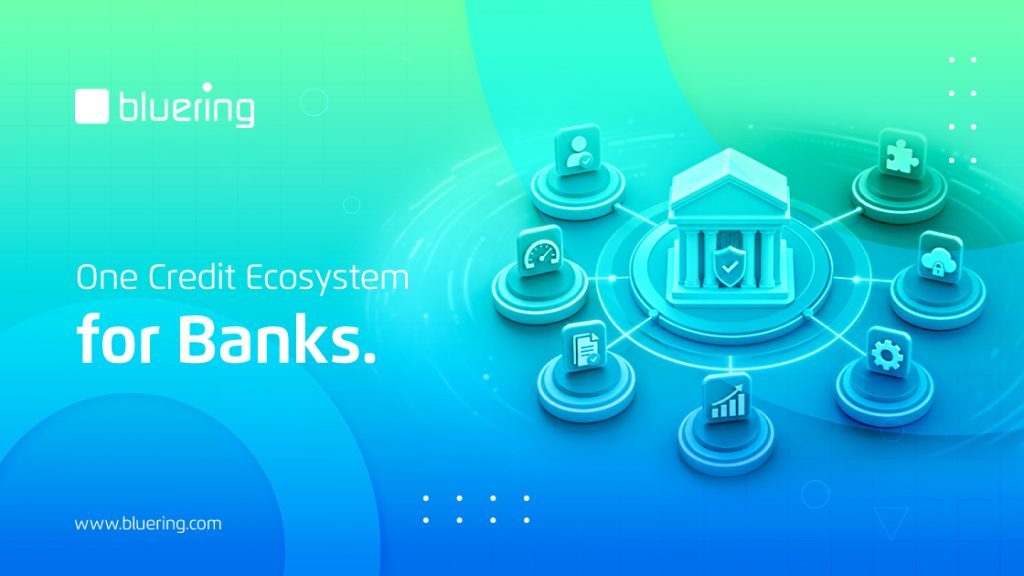
15th June 2026 5-Minutes Reading Why Banks Need a Connected Credit Ecosystem, Not Disconnected Systems Banks don’t suffer from a lack of credit expertise. They suffer from a lack of connection. In many institutions, credit decisions are slowed down not by risk complexity, but by fragmentation, where origination sits in one place, risk assessment in […]
Commercial Lending Without Bottlenecks: How Banks Modernise Credit Operations with Bluering Commercial
21st May 2026 5-Minutes Reading Commercial lending is still one of the highest revenue drivers for banks—but it’s also one of the most complex processes to run efficiently. Multiple departments, different approval paths, heavy documentation, and tight governance requirements can turn every credit file into a slow-moving project. IBS Intelligence notes that automating digital lending […]
Bluering Risk Rating: Standardise Credit Risk, Strengthen Governance, and Move Faster

20th April 2026 5-Minutes Reading Banks don’t lose money only when borrowers default. They lose money when risk decisions are slow, inconsistent, or hard to defend. If your risk rating process still depends on scattered models, manual financial spreading, and different scoring logic across teams, you already know the symptoms: delayed approvals, policy exceptions handled […]
How AI Supports the People Who Drive Credit Forward

March 5th, 2026 5-Minutes Read Across the industry, AI in banking is no longer experimental. Surveys show most banks have now launched or soft-launched AI and generative AI initiatives, yet only a smaller share have scaled them into core decisioning processes. Credit and risk teams feel this gap every day: expectations are high, but […]